
Gemstone Directory

The stones, read closely.

Nine gemstones of particular interest — how they form, how they are recognised, and where significant material is produced.

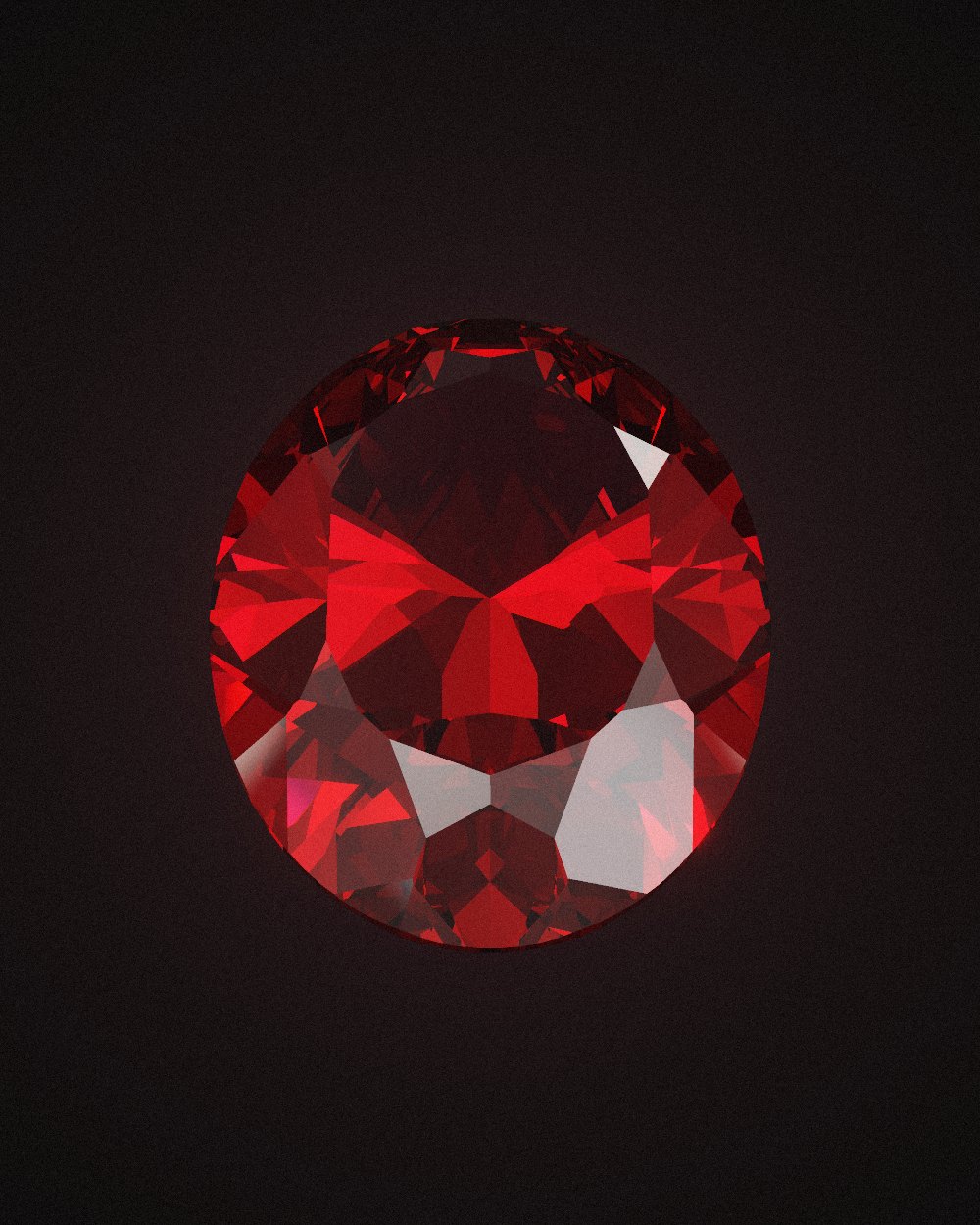
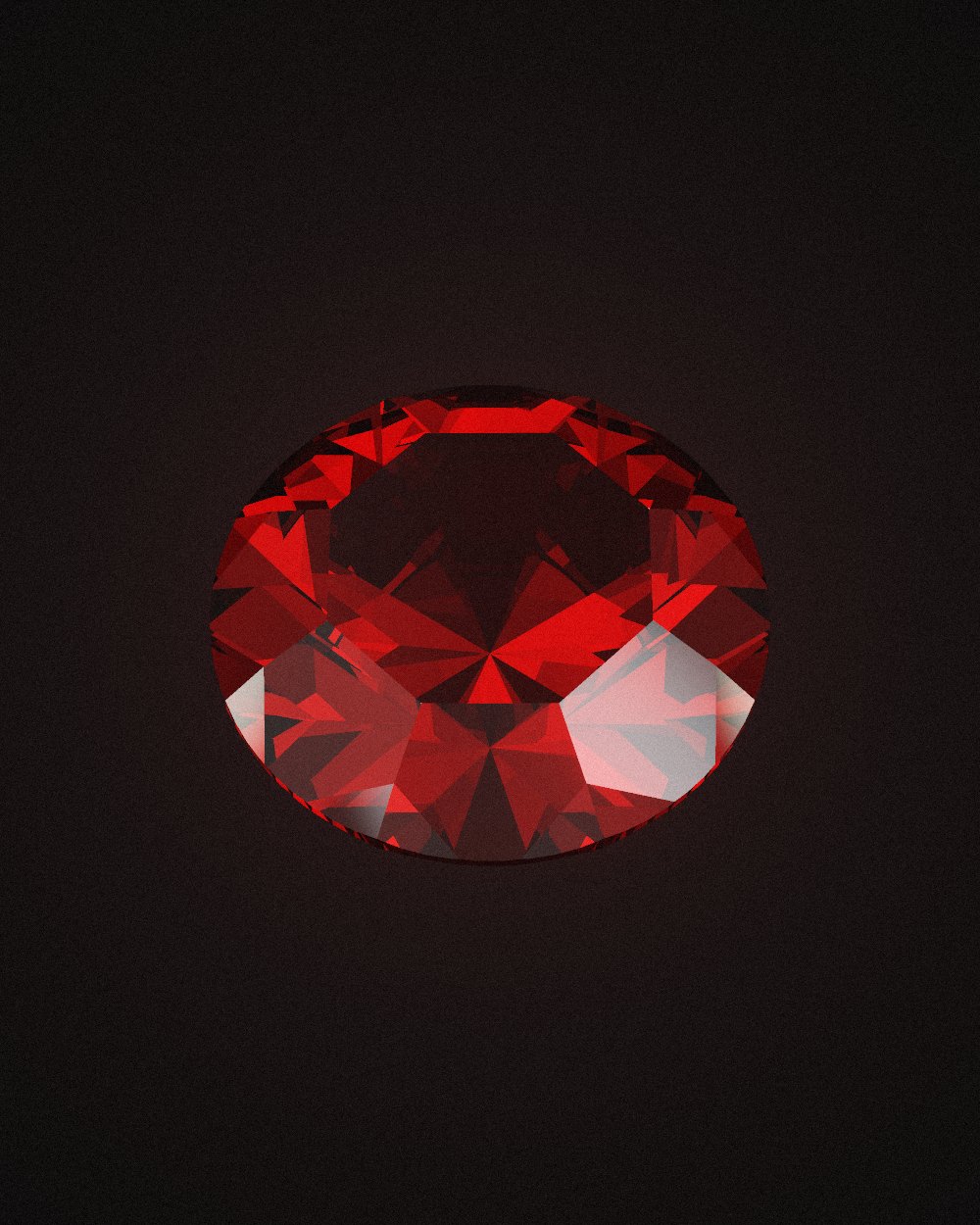
Oval-cut ruby

01 Corundum

Ruby

Mogok • Myanmar

The red variety of corundum, coloured by chromium, and among the most valued of all coloured stones.

Species
Corundum
Composition
Al₂O₃ with chromium
Hardness (Mohs)
9

Formation

Commonly associated with marbles formed where limestones were metamorphosed, and with some basalt-related and metamorphic settings. Chromium must be present while iron is limited for the finest red.

Characteristics

Hardness 9. Strong red fluorescence in many chromium-rich stones. Fine rutile needles ('silk') are a characteristic inclusion; heat treatment is common and must be identified.
Major producing regions

MyanmarMozambiqueThailandSri LankaTanzaniaMadagascar
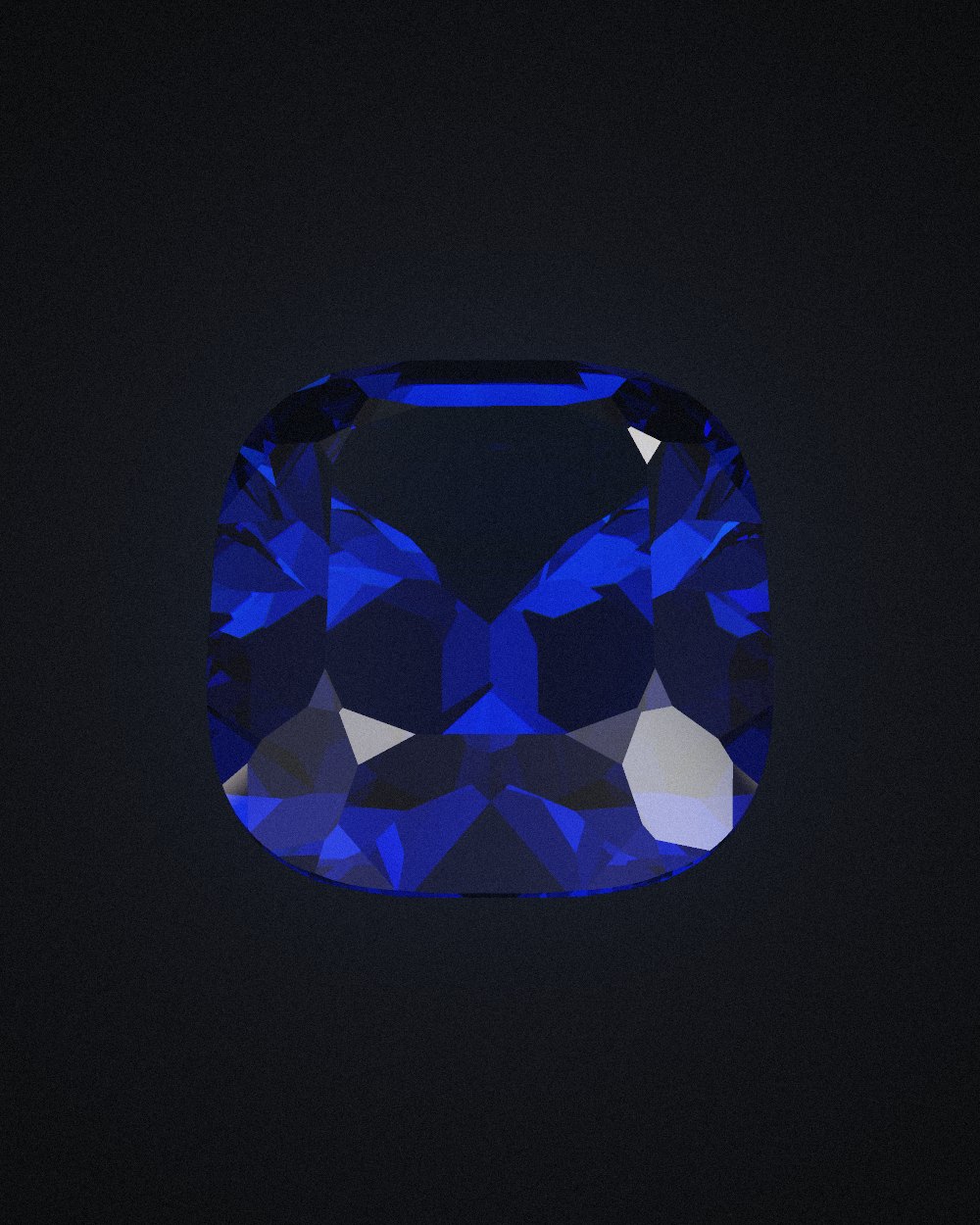
Cushion-cut blue sapphire

02 Corundum

Sapphire

Ceylon • Sri Lanka

Corundum in every colour except red; blue sapphire owes its colour to iron and titanium.

Species
Corundum
Composition
Al₂O₃ with iron and titanium
Hardness (Mohs)
9

Formation

Forms in metamorphic rocks and is also carried to the surface by alkali basalts. Many important sources are secondary gem gravels where durable corundum has concentrated.

Characteristics

Hardness 9, high durability and brilliance. Colour zoning, silk and fingerprints are typical internal features; heat treatment is widespread.

Major producing regions

Sri LankaMyanmarMadagascarAustraliaThailandUnited StatesNigeria
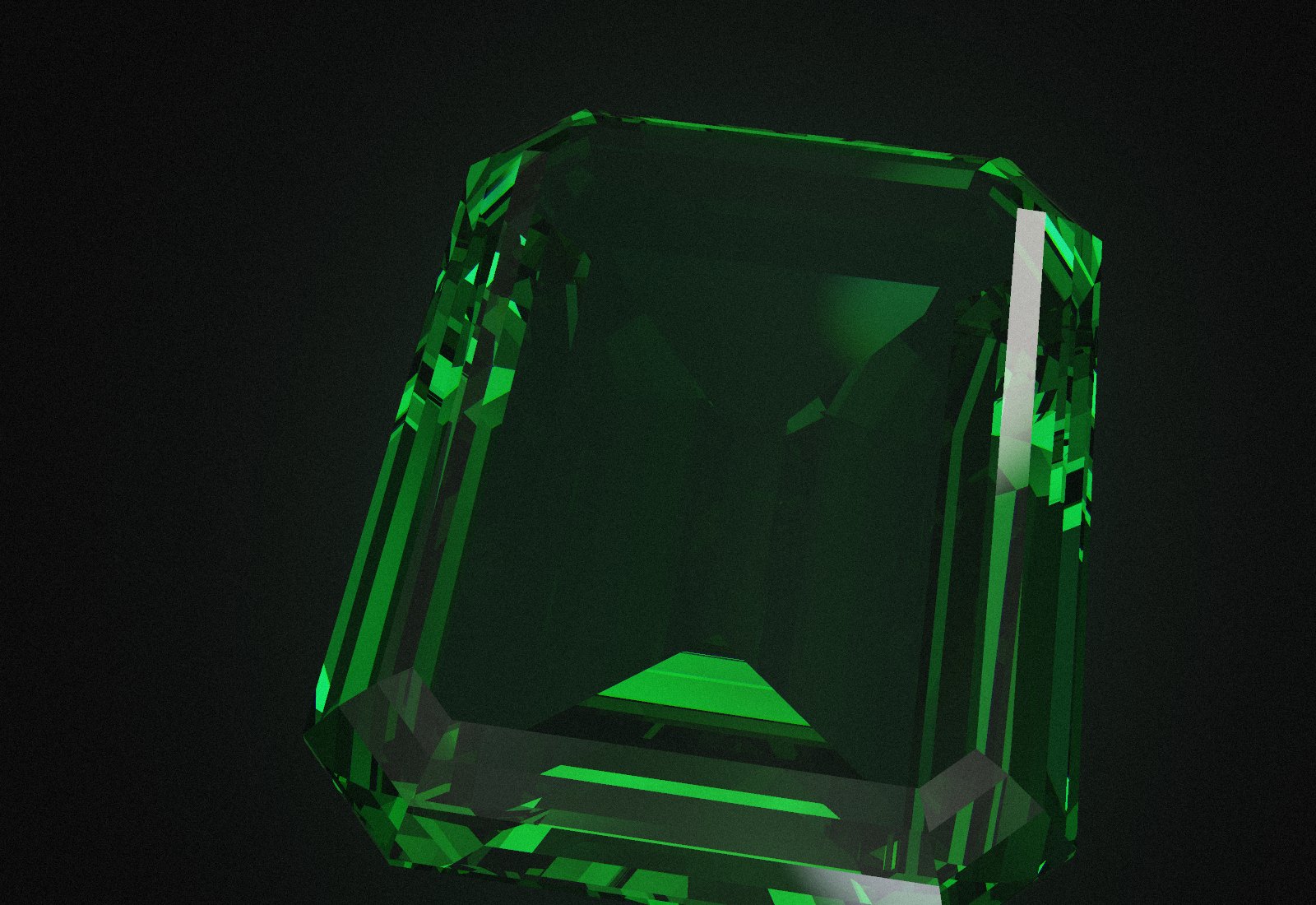
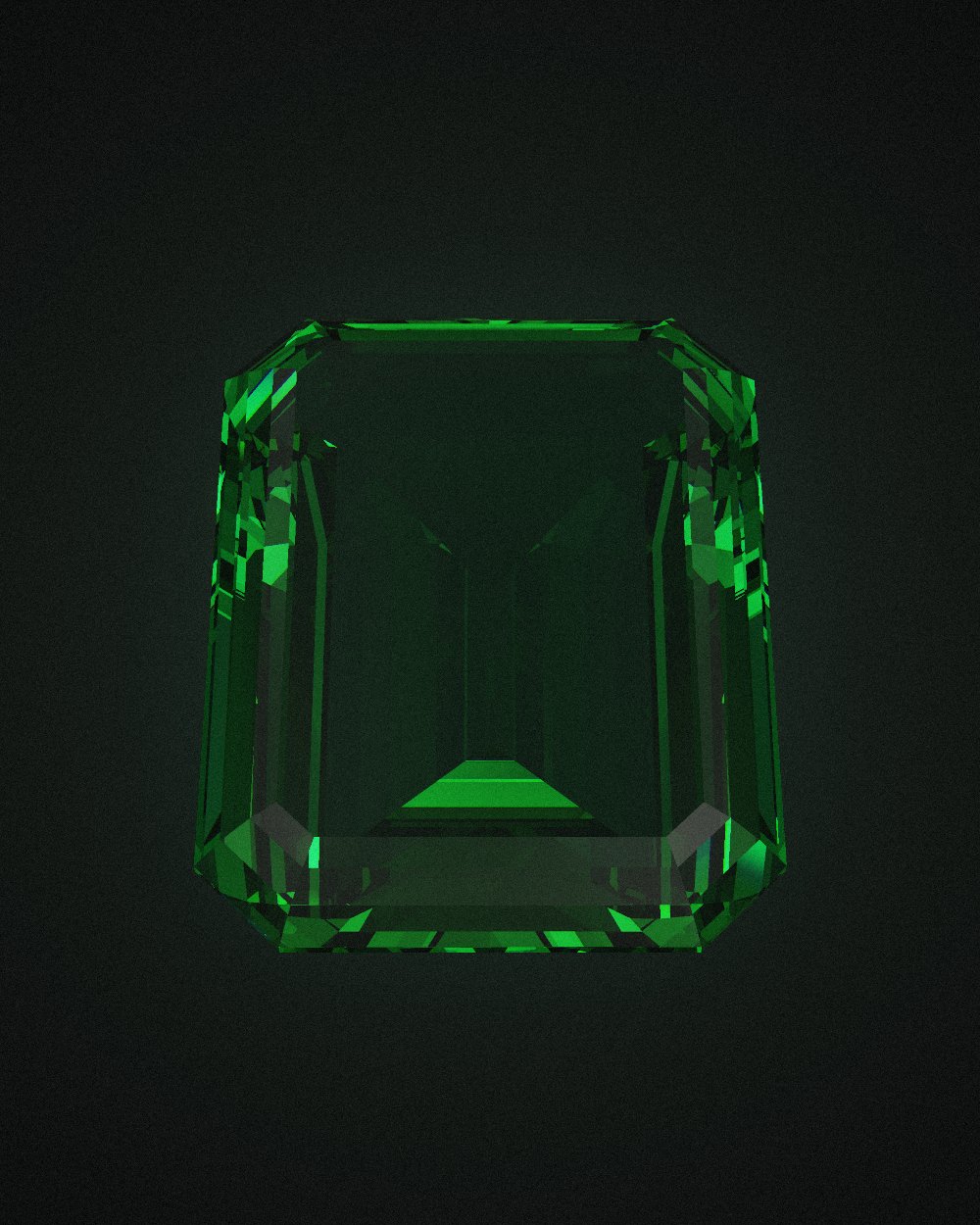
Emerald-cut emerald

03 Beryl

Emerald

Muzo • Colombia

The green variety of beryl, defined by chromium and vanadium, and famously included.

Species
Beryl
Composition
Be₃Al₂Si₆O₁₈ with chromium / vanadium
Hardness (Mohs)
7.5 – 8

Formation

Requires beryllium and chromium or vanadium to meet — elements rarely found together. Colombian emeralds form from hydrothermal fluids in black shales; many other sources relate to schists at contacts with pegmatites.

Characteristics

Hardness 7.5–8 but often fractured. Inclusions ('jardin') are expected; clarity enhancement with oils or resins is common and must be disclosed.

Major producing regions

ColombiaZambiaBrazilMadagascar
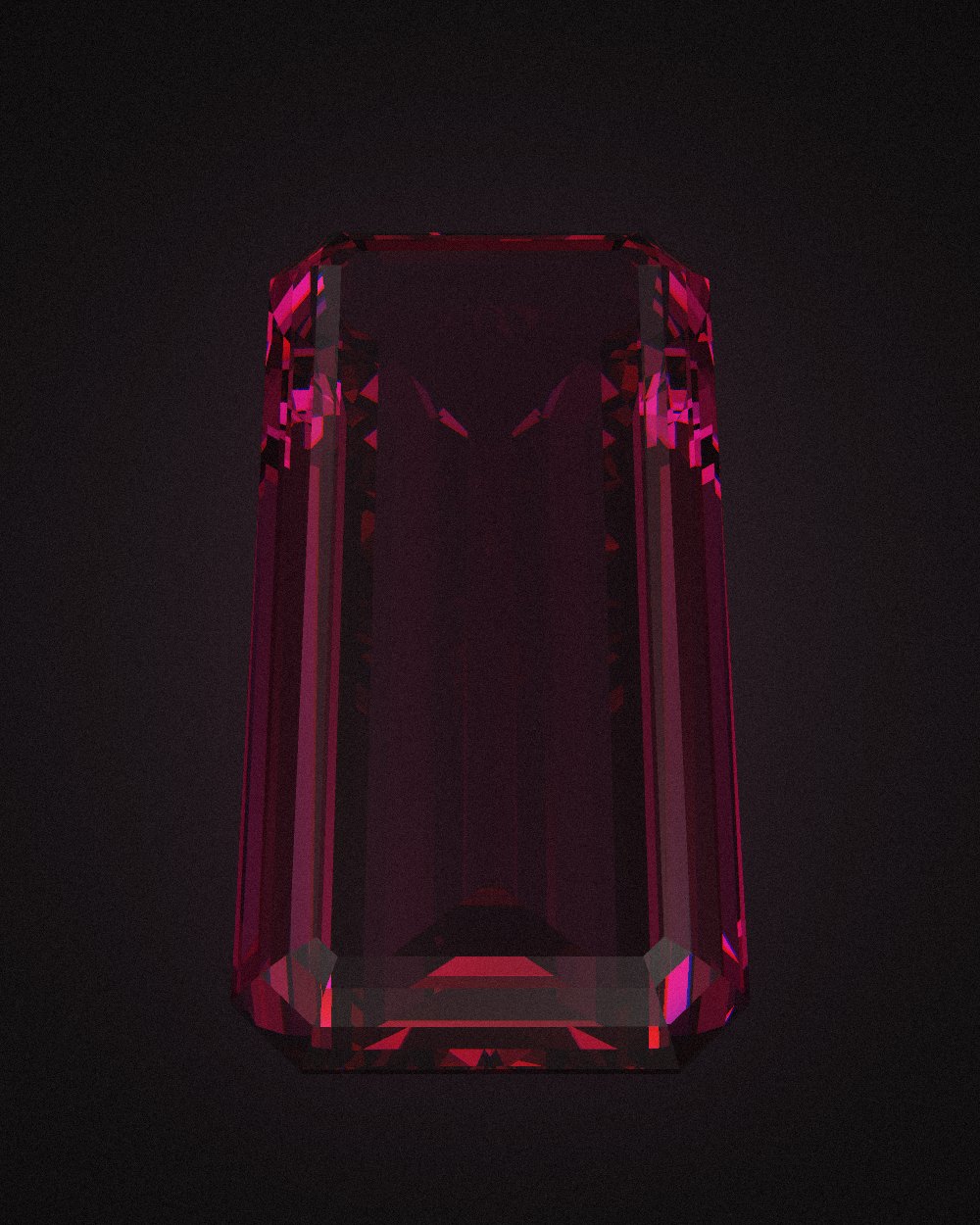
Elongated step-cut pink tourmaline

04 Tourmaline group

Tourmaline

Minas Gerais • Brazil

A complex borosilicate group with the widest colour range of any gem family.

Species
Tourmaline group
Composition
Complex borosilicate
Hardness (Mohs)
7 – 7.5

Formation

Characteristically forms in granitic pegmatites, crystallising from boron-rich late-stage melts and fluids. Colour zoning records the changing chemistry of that growth.

Characteristics

Hardness 7–7.5, strong pleochroism and elongated, striated prismatic crystals. Copper-bearing 'Paraíba-type' tourmaline shows vivid neon blues and greens.

Major producing regions

BrazilNigeriaMozambiqueMadagascarUnited States
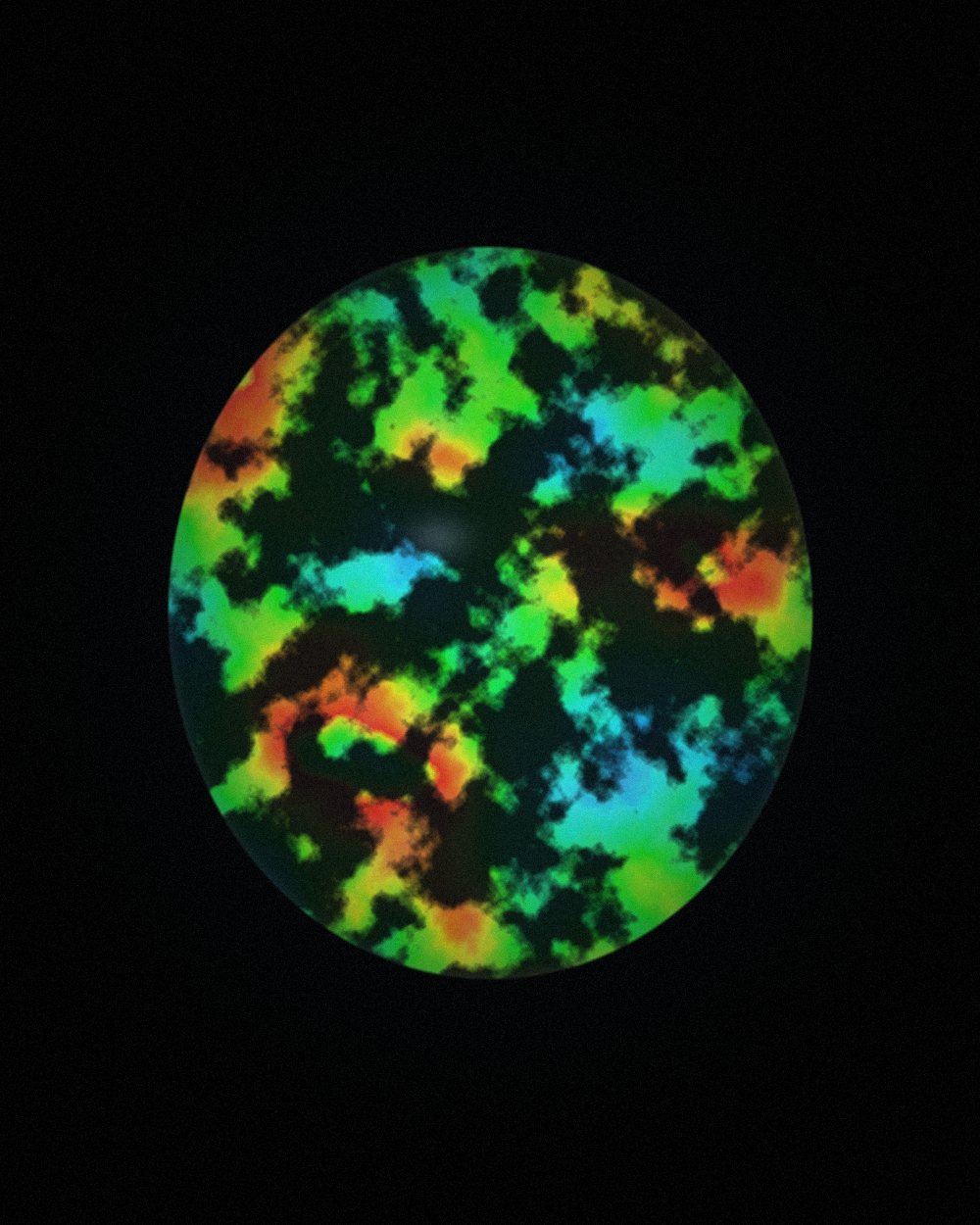
Black opal cabochon showing play-of-colour

05 Hydrated silica

Opal

Lightning Ridge • Australia

Amorphous hydrated silica whose play-of-colour is created by diffraction of light.

Species
Hydrated silica
Composition
SiO₂·nH₂O
Hardness (Mohs)
5.5 – 6.5

Formation

Precious opal forms where silica-rich water fills voids and fractures in weathered sedimentary rocks, depositing ordered stacks of microscopic silica spheres.

Characteristics

Hardness 5.5–6.5 and contains water, so it can be sensitive to heat and sudden changes. The size and order of the silica spheres produce its play-of-colour.

Major producing regions

AustraliaEthiopiaMexicoBrazil
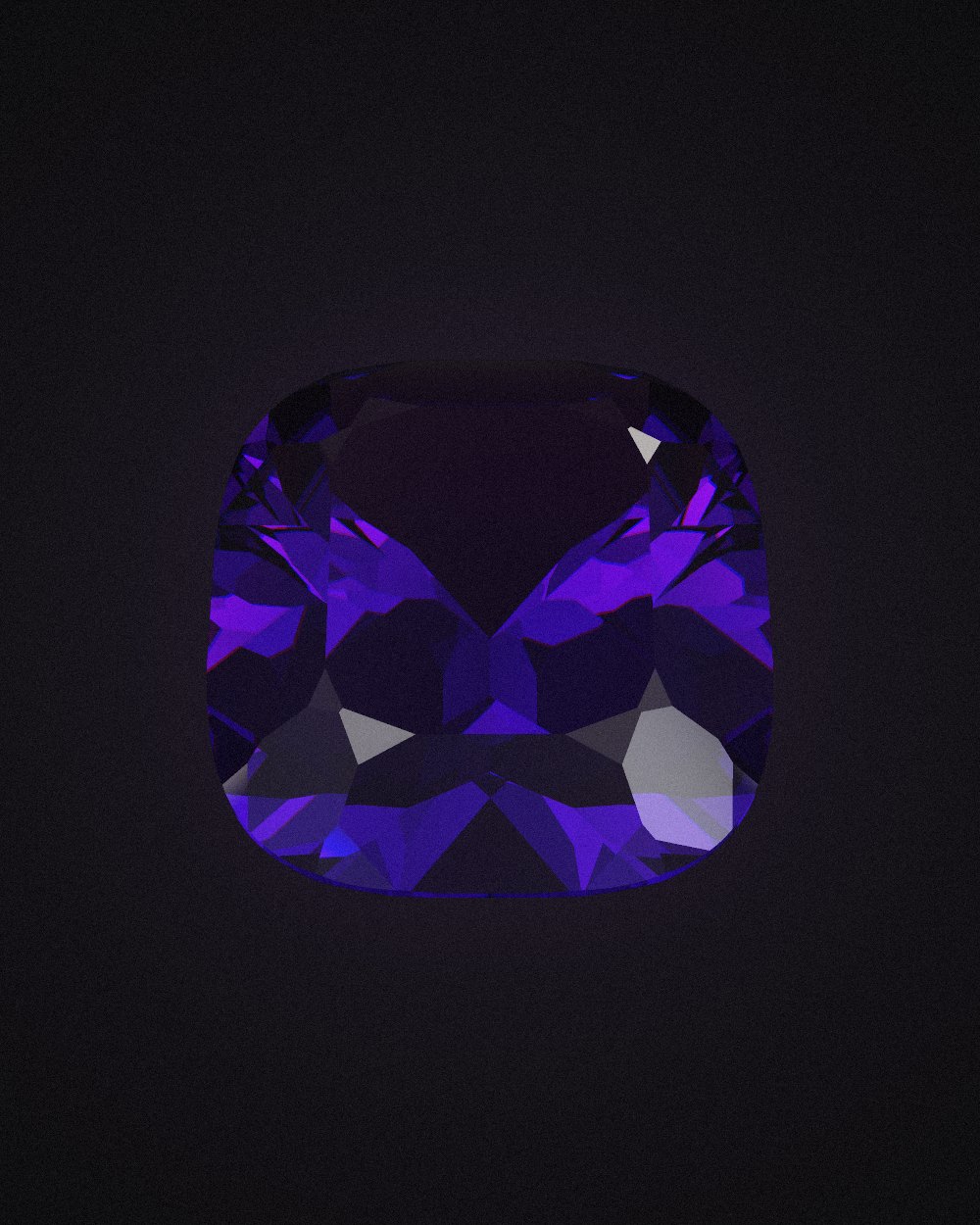
Cushion-cut amethyst

06 Quartz

Amethyst

Rio Grande do Sul • Brazil

Purple quartz, coloured by iron and natural irradiation, often found lining geodes.

Species
Quartz
Composition
SiO₂ with iron
Hardness (Mohs)
7

Formation

Commonly crystallises inside gas cavities in volcanic basalts, where silica-rich fluids deposit quartz crystals over time. Also found in veins and pegmatites.

Characteristics

Hardness 7. Colour is often zoned and can fade with prolonged heat or strong light; heating can turn amethyst yellow to orange.

Major producing regions

BrazilUruguayZambiaMadagascar
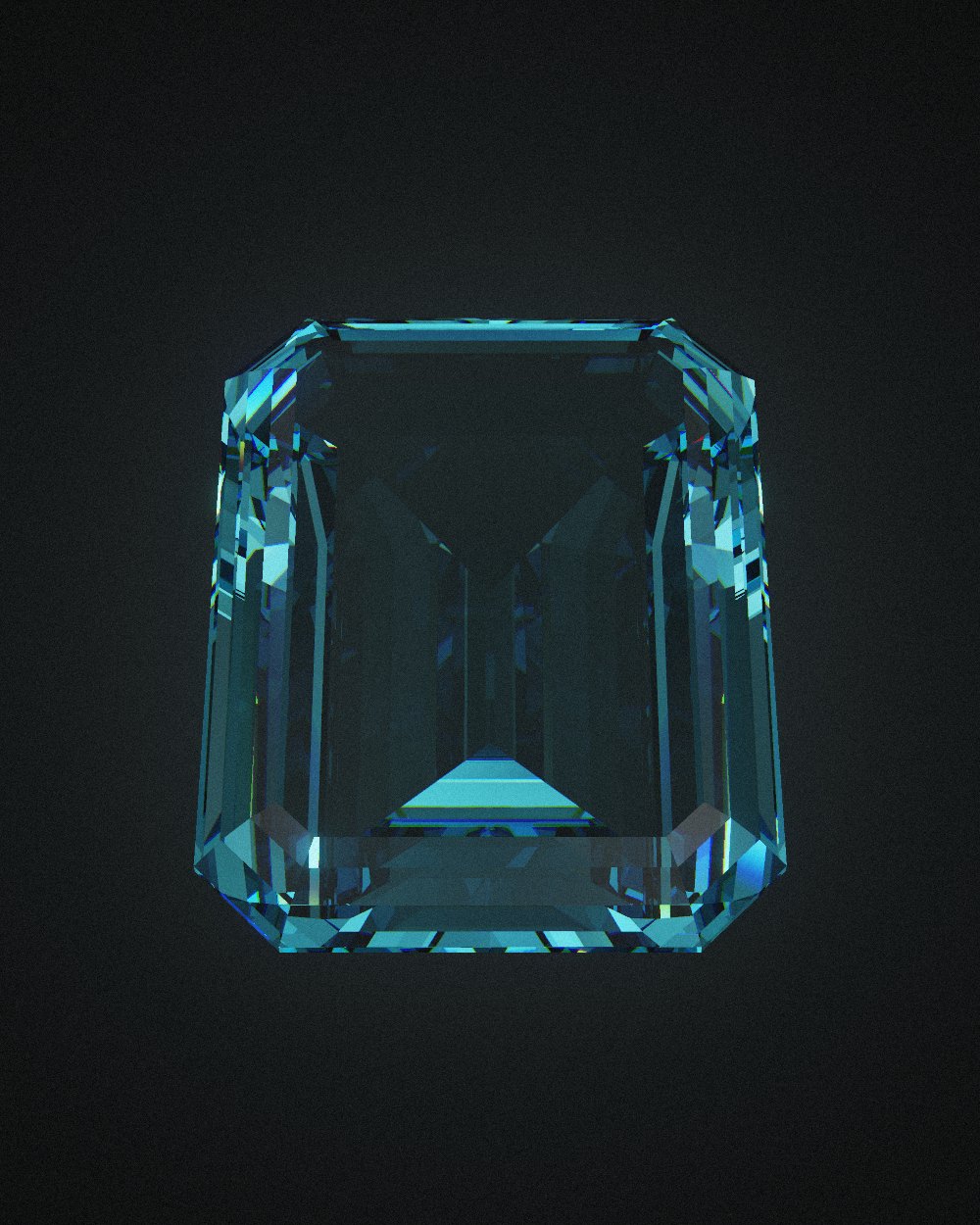
Emerald-cut aquamarine

07 Beryl

Aquamarine

Minas Gerais • Brazil

The sea-blue variety of beryl, prized for clarity and a cool, luminous colour.

Species
Beryl
Composition
Be₃Al₂Si₆O₁₈ with iron
Hardness (Mohs)
7.5 – 8

Formation

Grows in granitic pegmatites, often as large, clean crystals. The blue comes from iron; many stones are gently heated to remove greenish tones.

Characteristics

Hardness 7.5–8, typically eye-clean, with hexagonal prismatic crystals. Distinct pleochroism in blue and near-colourless tones.

Major producing regions

BrazilNigeriaMadagascarMozambique
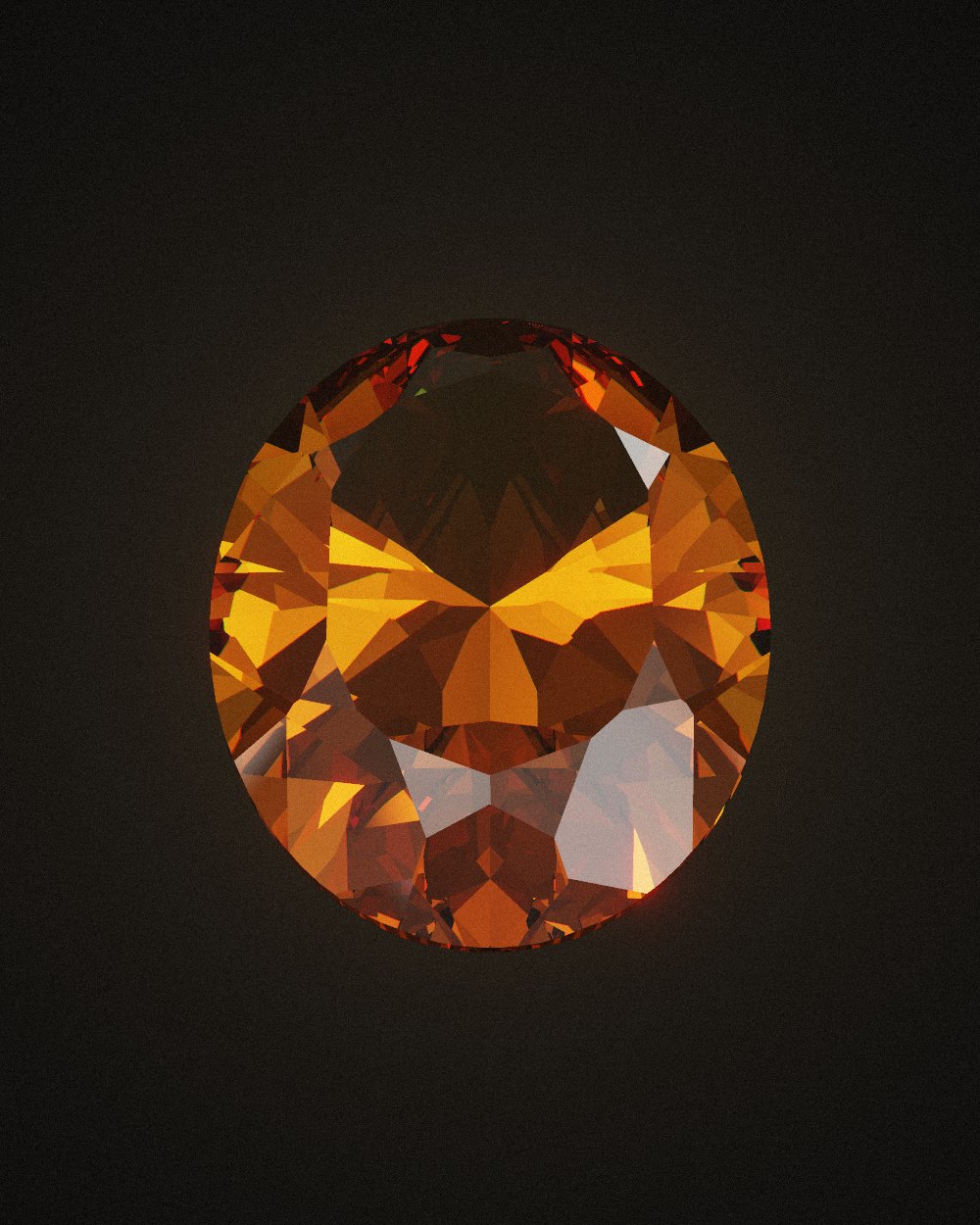
Oval golden topaz

08 Topaz

Topaz

Ouro Preto • Brazil

A fluorine-bearing silicate found in golden, pink, blue and colourless crystals.

Species
Topaz
Composition
Al₂SiO₄(F,OH)₂
Hardness (Mohs)
8

Formation

Forms in pegmatites, rhyolites and high-temperature veins where fluorine-rich fluids are present. Brazil's Ouro Preto district is known for 'imperial' golden to pinkish-orange topaz.

Characteristics

Hardness 8 but with perfect cleavage, so it can split with a sharp blow. Most blue topaz on the market is produced by irradiation and heating of colourless material.

Major producing regions

BrazilNigeriaSri LankaMyanmar
Round brilliant garnet

09 Garnet group

Garnet

Worldwide

A family of silicate minerals spanning deep reds to vivid green tsavorite and demantoid.

Species
Garnet group
Composition
Silicate group
Hardness (Mohs)
6.5 – 7.5

Formation

Widespread in metamorphic rocks such as schists and gneisses, and in some igneous rocks. Individual species record the pressure and temperature conditions of their formation.

Characteristics

Hardness 6.5–7.5, singly refractive, with high brilliance. Species include pyrope, almandine, spessartine, grossular (tsavorite) and andradite (demantoid).

Major producing regions

TanzaniaSri LankaMozambiqueMadagascarNigeria

Gemological context

What a gemologist looks for.

Every stone in this directory can occur as natural, treated or synthetic material. Telling them apart — and reading the geological evidence inside the stone — is the foundation of any evaluation.

  1. 01

    Formation

    Where and how a species crystallised — the geological conditions written into the stone.

  2. 02

    Identification

    Refractive index, specific gravity, optical character and spectra that separate one species from another.

  3. 03

    Colour

    The trace elements and structural causes behind hue, tone and saturation.

  4. 04

    Clarity

    Inclusions as fingerprints: evidence of growth history, origin and treatment.

  5. 05

    Natural stones

    Material formed entirely by geological processes, without human alteration.

  6. 06

    Treated stones

    Natural stones whose appearance has been changed by heat, filling, diffusion or irradiation.

  7. 07

    Synthetic stones

    Laboratory-grown material with the same chemistry and structure as its natural counterpart.

  8. 08

    Geological origin

    The deposit type and environment that produced a stone, and the clues it leaves behind.

  9. 09

    Characteristics

    Hardness, toughness, cleavage and stability — how a stone will behave in cutting and wear.

Begin the conversation

Let’s discuss what lies beneath.

Whether you are evaluating a deposit, planning exploration or need a gemological opinion, start with a short description of the project.

Discuss a Project